

Increase Fat-Soluble Vitamin And Mineral Intake
- Diet rich in animal foods like bone broth, non-red meats, fish, and eggs
- Raw and cooked vegetables, especially calciferous vegetables i.e. green leafy vegetables.
- Grass Fed Dairy
- Whole fruit, one piece daily, not at night, earlier in the day is better.
- Vitamin D (aids in the absorption of minerals i.e. calcium)
- Foods high in healthy fats such as olives, fish, cod liver oil, coconut oil, avocado oil.
- Whole grains, avoid refined flours
- Nuts, seeds, and beans that have been sprouted.
- No processed, packaged, or fast foods
Limit Sugar Intake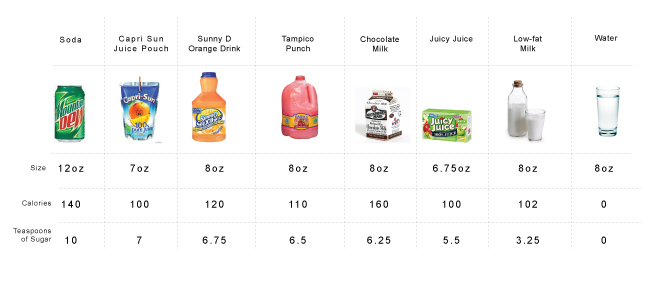
The World Health Organization recommends no more than 25 grams of added sugar a day. (And eliminating completely is even better-Dr. Werner recommends a maximum of 12 g a day). One cola has approximately 33 grams of sugar.
Limit Acidic or Low pH Foods
Enamel is demineralized and is damaged by foods with a pH below 5.5. Dentin is demineralized and is damaged by food with a pH below 6.5.
pH of pure water: 7
pH of groundwater systems: 6-8.5
pH of most herbal teas 6-8
pH of black coffee: 5
pH of beer, white wine, tomato juice: 4-4.5
pH of some bottled waters: 4.5 (be careful!)
pH of red wine: 3.5-4
pH of pop and juice: 3-3.5
pH of energy drinks 2.5-3.5
pH of lemon juice and vinegar: 2
pH of stomach acid: 1.5-3.5
Good Sources of Calcium (1000mg Recommended Daily)
- Canned Salmon 232 mg (23% daily value)
- Sardines 321 mg (32% daily value)
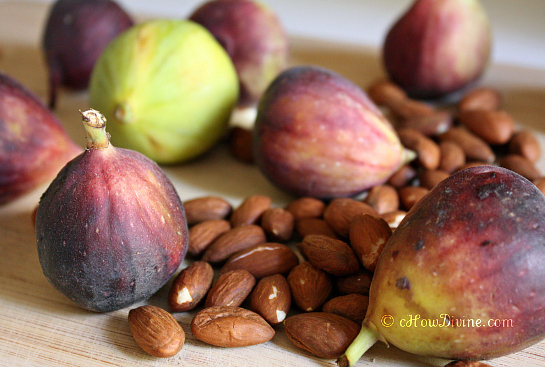
- Dried Figs 107 mg (10% daily value) Make sure and clean teeth afterwards!
- Bok Choy 74mg (7% daily value)
- Kale 188mg (18% daily value)
- Almonds 72mg (7% daily value)
- Turnip Greens 197mg (20% daily value)
- Seaweed 126mg (13% daily value)
- Foods often fortified with Calcium
- Bone Broth 12.3 to 67.6mg (1-7% daily value)
- Nettles 428mg (1 cup cooked-43% daily value)
Good Sources of Phosphate-(700mg recommended daily)*

- Fish 242 mg per 3 oz serving (35% daily value)
- Turkey 173 mg per 3 oz serving (25% daily value)
- Salmon 252 mg per 3 oz serving (36% daily value)
- Lentils 178 mg ½ cup serving (25% daily value)
- Almonds 134mg per 1 oz serving (19% daily value)
- Peanuts 107mg per 1oz serving (15% daily value)
- Instant Oatmeal 96mg (14% daily value)
*(Be cautious of too much Phosphate which can be damaging to the body)
Vitamin D (1000-4000 IU daily) and Magnesium (300 – 350 mg a day)
*It is recommended to obtain adequate amounts of Vitamin D and Magnesium in one’s diet. Vitamin D is critical to help in the adsorption of nutrients such as calcium and magnesium plays an important supportive role.
Vitamin K2 (ranges from 100 to 180 mcg to support bone and cardiovascular health. While there is no official recommended dietary allowance (RDA) solely for K2, many experts suggest a starting dose of 100 mcg, with some studies showing benefits at 180 mcg daily-check with your physician or nutritionist for guidance)
- Fermented Foods
- Fermented and Hard Cheeses
- Organ Meats- Goose, Chicken, Pork Liver
- Grass Fed Dairy
- Egg Yolks-especially from pasture raised Chickens
Reduce Phytic acid-especially during Calcium consumption.
(Foods high in phytic acid-grains, beans, nuts, soy)
- Limit grain consumption
- Avoid unfermented soy products
- Phytic acid is higher in foods that utilize phosphate fertilizers thus aim for organic and GMO-free foods
- Soak grains and nuts and then sprout them or do sourdough fermentation which drastically reduces amount of phytic acid
*Remember that unsprouted nuts, beans, and grains have phytate that reduces phosphate absorption by about 50 percent as it competes with the same absorption site.
>> REMEMBER THAT THE ABOVE NUTRITIONAL VALUES ARE ONLY A GENERAL GUIDELINE AND SHOULD NOT BE USED AS A REPLACEMENT FOR NUTRITIONAL COUNSELING BY A DIETITIAN OR DOCTOR WHO WILL TAKE INTO CONSIDERATION YOUR OTHER MEDICAL CONDITIONS IN MAKING RECOMMENDATIONS. <<